Annotation
- Introduction
- Understanding Cat Translator Applications
- The Scientific Foundation of Feline Communication
- Detailed Application Analysis
- Alternative Cat Understanding Methods
- Pros and Cons
- Frequently Asked Questions
- Conclusion
- Preguntas frecuentes
Reseña de aplicaciones traductoras para gatos: ¿Estafa o herramienta de comunicación real?
Un análisis en profundidad de las aplicaciones traductoras para gatos, evaluando su capacidad para descifrar maullidos felinos frente a la evidencia científica y la utilidad práctica para
Introduction
Ever wondered what your feline friend is trying to communicate through those mysterious meows? The digital marketplace now offers numerous cat translator apps promising to decode your cat's vocalizations into human language. While the concept sounds revolutionary for pet owners seeking deeper connections with their companions, the reality often falls short of these ambitious claims. This comprehensive examination explores whether these applications genuinely bridge the communication gap or simply represent sophisticated digital entertainment with questionable practical value.
Understanding Cat Translator Applications
Cat translator applications represent a growing segment within the AI companions and conversational AI tools market, targeting pet owners who seek technological solutions for understanding their animals. These mobile applications utilize your device's microphone to capture feline vocalizations, then employ algorithms to analyze acoustic properties including pitch, duration, and frequency patterns. The software compares these sound signatures against pre-recorded databases where specific vocal patterns are associated with emotional states or needs such as hunger, discomfort, or desire for attention.
Beyond basic translation functionality, many apps incorporate additional features attempting to enhance their value proposition. Some offer reverse translation capabilities where human speech gets converted into synthesized cat sounds, theoretically enabling two-way communication. Others include behavioral tracking tools that log vocalization patterns over time, while several function primarily as interactive soundboards playing pre-recorded feline vocalizations. The fundamental premise remains consistent across these applications: they claim to interpret the nuanced language of cats through technological mediation.
The Scientific Foundation of Feline Communication
The theoretical basis supporting cat translator apps faces significant scientific scrutiny. Feline communication represents a complex system integrating vocalizations, body positioning, facial expressions, scent marking, and contextual factors. Unlike dogs who share more evolutionary communication commonalities with humans, cats have developed unique vocalization patterns specifically for human interaction. Research indicates that domestic cats rarely meow to communicate with other felines in wild settings, instead developing individualized meow "languages" specifically tailored to their human caregivers.
This personalization presents a fundamental challenge for translation algorithms relying on generalized sound libraries. A meow indicating "I'm hungry" from one cat may acoustically differ significantly from another cat's hunger vocalization based on breed characteristics, individual personality, learned behaviors, and even regional accents developed through human interaction. Furthermore, these applications typically ignore crucial contextual elements that experienced cat owners naturally incorporate into their interpretations – the time of day, preceding events, body posture, ear positioning, tail movement, and environmental factors that fundamentally shape communication meaning.
Detailed Application Analysis
The marketplace contains numerous applications claiming translation capabilities, with significant variation in functionality, pricing models, and user experience. Understanding these differences helps consumers make informed decisions about whether any particular app might meet their needs.
Cat Translator – Human to Pet Application
This popular application boasts impressive store ratings but reveals concerning patterns in user feedback. The interface appears professionally designed with clear recording functionality and translation displays. However, numerous users report aggressive advertising implementations that interrupt the user experience repeatedly. The translation accuracy receives consistent criticism, with many reviews describing outputs as random or completely disconnected from their cat's actual behavior and situation. Some users have reported unexpected billing for premium features that failed to perform as advertised, raising questions about the application's fundamental integrity.
Cat Translator – Talk to Your Pet with Voice
This application takes a different approach by presenting users with an interface dominated by cat emojis that produce sounds when selected. While potentially entertaining, the application functions more as a soundboard than a genuine translation tool. Many sounds remain locked behind paywalls or require watching advertisements to access. The entertainment value might justify download for some users, but those seeking legitimate communication assistance will find limited utility in this approach to feline-human interaction.
Cat Translator Pro Subscription Model
This application employs a restrictive subscription model that prevents users from testing core functionality before payment. The pricing structure appears particularly concerning, with weekly charges significantly exceeding what most consumers would consider reasonable for this application category. The complete paywall before functionality access suggests the developers prioritize revenue generation over user satisfaction or product validation. Such approaches typically indicate applications where the entertainment value doesn't justify the financial investment for serious pet owners.
Alternative Cat Understanding Methods
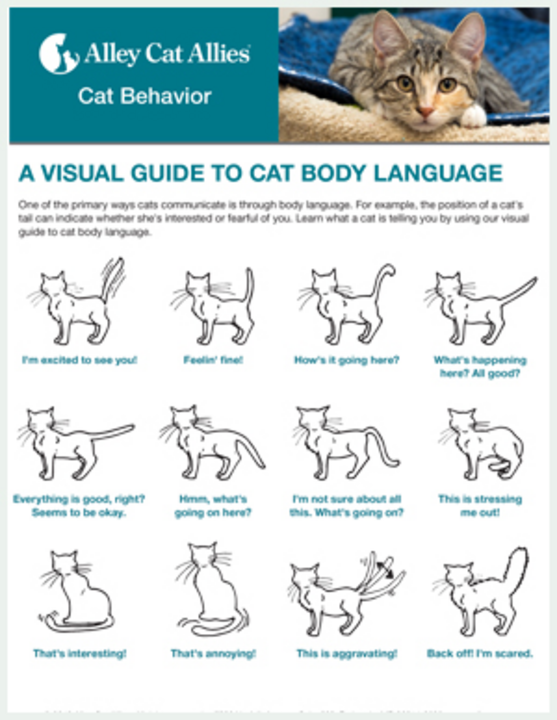
Rather than relying on questionable technological solutions, cat owners can develop genuine understanding through observation and education. Learning feline body language provides invaluable insights into your cat's emotional state and intentions. Tail position serves as a primary indicator – upright with slight curve suggests happiness, while thrashing indicates irritation or overstimulation. Ear direction similarly communicates mood, with forward-facing ears showing interest and flattened ears signaling fear or aggression.
Vocalization patterns become meaningful when observed in context. A short, high-pitched meow often serves as greeting, while prolonged, insistent meowing might indicate urgent needs. Purring doesn't universally signal contentment – cats also purr when injured, ill, or giving birth. Understanding these nuances requires time and attention rather than technological mediation. Resources like veterinary behaviorists, cat behavior books, and AI assistants specializing in pet care provide more reliable guidance than unverified translation applications.
Pros and Cons
Advantages
- Provides entertaining interaction possibilities with your feline companion
- Introduces beginners to concepts of feline communication science
- Some applications include educational content about cat behavior
- Sound simulation features can elicit interesting feline reactions
- Recording functionality allows documentation of vocalization patterns
- User-friendly interfaces make technology accessible to all age groups
- Potential conversation starter about pet communication technology
Disadvantages
- Translation accuracy remains scientifically unverified and often random
- Subscription costs frequently exceed reasonable value propositions
- Aggressive advertising disrupts user experience in free versions
- Fails to incorporate crucial contextual and behavioral elements
- May provide misleading interpretations of pet needs or emotions
Frequently Asked Questions
Are cat translator apps scientifically accurate?
Current scientific evidence doesn't support the accuracy claims made by most cat translator applications. Feline communication involves complex combinations of vocalizations, body language, and contextual factors that existing apps cannot adequately analyze.
Do these applications work for all cat breeds?
Application effectiveness varies significantly across breeds and individuals. Some vocalization patterns differ between breeds, and personalized communication styles develop through cat-owner relationships.
What alternatives exist for understanding cat communication?
Superior alternatives include studying feline body language, consulting veterinary behaviorists, observing contextual patterns, and using established animal communication resources rather than unverified apps.
Are subscription costs for these applications justified?
Given the questionable accuracy and limited functionality, most cat translator app subscriptions don't provide equivalent value to their costs compared to free educational resources.
How can I better understand my cat's needs?
Pay attention to body language, vocalization patterns, and context. Resources like veterinary advice and pet behavior guides are more reliable than translator apps for genuine understanding.
Conclusion
Cat translator applications represent an intriguing intersection of technology and pet care that ultimately delivers more entertainment than practical communication solutions. While the concept of digitally mediated interspecies communication captures imagination, current implementations lack scientific validation and practical reliability. Cat owners seeking genuine understanding will find greater value in traditional methods of observation, education, and relationship building. These applications might provide momentary amusement, but they cannot replace the nuanced understanding that develops through attentive companionship. As the pet technology market continues evolving, consumers should maintain realistic expectations about what these tools can genuinely deliver while prioritizing their direct relationship with their feline companions above technological intermediaries.
Preguntas frecuentes
¿Son científicamente precisas las aplicaciones traductoras para gatos?
La evidencia científica actual no respalda las afirmaciones de precisión hechas por la mayoría de las aplicaciones traductoras para gatos. La comunicación felina involucra combinaciones complejas que las aplicaciones existentes no pueden analizar adecuadamente.
¿Funcionan estas aplicaciones para todas las razas de gatos?
La efectividad de la aplicación varía significativamente entre razas e individuos. Algunos patrones de vocalización difieren entre razas, y los estilos de comunicación personalizados se desarrollan a través de las relaciones.
¿Qué alternativas existen para comprender la comunicación de los gatos?
Alternativas superiores incluyen estudiar el lenguaje corporal felino, consultar a etólogos veterinarios, observar patrones contextuales y utilizar recursos establecidos de comunicación animal.
¿Están justificados los costos de suscripción para estas aplicaciones?
Dada la precisión cuestionable y la funcionalidad limitada, la mayoría de las suscripciones a aplicaciones traductoras para gatos no proporcionan un valor equivalente a sus costos en comparación con los recursos educativos gratuitos.
¿Cómo puedo entender mejor las necesidades de mi gato?
Presta atención al lenguaje corporal, los patrones de vocalización y el contexto. Recursos como el consejo veterinario y las guías de comportamiento de mascotas son más confiables que las aplicaciones traductoras para una comprensión genuina.
Artículos relevantes sobre IA y tendencias tecnológicas
Mantente al día con las últimas ideas, herramientas e innovaciones que dan forma al futuro de la IA y la tecnología.
Configuración de Grok 4 Fast en Janitor AI: Guía Completa de Juego de Roles Sin Filtros
Guía paso a paso para configurar Grok 4 Fast en Janitor AI para juego de roles sin restricciones, incluyendo configuración de API, ajustes de privacidad y consejos de optimización
Grok AI: Generación Ilimitada de Videos Gratuita a partir de Texto e Imágenes | Guía 2024
Grok AI ofrece generación ilimitada de videos gratuita a partir de texto e imágenes, haciendo accesible la creación de videos profesionales para todos sin necesidad de habilidades de edición.
Las 3 mejores extensiones gratuitas de IA para programar en VS Code 2025 - Aumenta la productividad
Descubre las mejores extensiones gratuitas de agentes de IA para programar en Visual Studio Code en 2025, incluyendo Gemini Code Assist, Tabnine y Cline, para mejorar tu