Annotation
- Introduction
- AI-Powered Geospatial Analysis
- Real-World Applications
- Pros and Cons
- Conclusion
- Frequently Asked Questions
Google Earth AI Chat: Revolutionizing Disaster Prediction with Geospatial Analysis
Google Earth's AI chat uses natural language for geospatial analysis, disaster prediction, and environmental monitoring, enhancing emergency response and climate change efforts.
Introduction
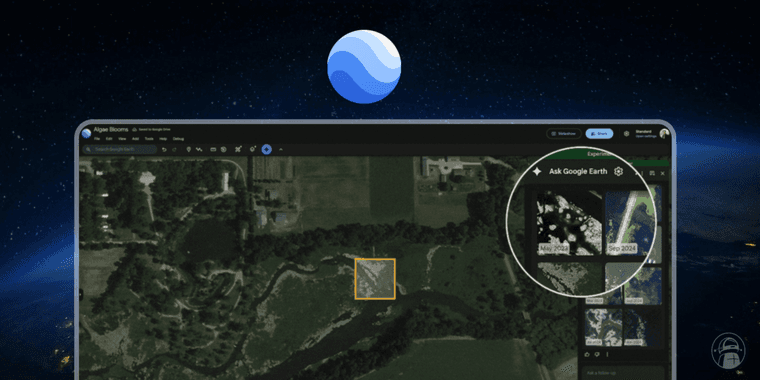
Google Earth's AI chat transforms environmental monitoring and emergency response. It enables geospatial analysis via natural language queries, making disaster prediction accessible globally.
AI-Powered Geospatial Analysis
The enhanced interface allows queries like "identify flood-prone areas" using conversational language. This advances AI chatbots for practical use. It processes satellite imagery, weather patterns, and population data simultaneously.
Through Gemini, the AI performs geospatial reasoning—linking events to outcomes. For example, it estimates flood locations, population impact, and at-risk infrastructure, aiding emergency response planning.
Real-World Applications
Organizations like GiveDirectly use it to find vulnerable households post-disasters. It supports monitoring from algae blooms to droughts. Available to testers and US Gemini Pro users, with wider rollout planned.
Multiple AI models enable analysis once requiring specialized mapping software. This democratizes geospatial intelligence for environmental monitoring and preparedness.
Pros and Cons
Advantages
- Natural language queries simplify analysis
- Integrates diverse data for insights
- Enables rapid disaster response
- Supports environmental and climate analysis
- Democratizes geospatial intelligence
- Continuous AI improvements
Disadvantages
- Limited availability initially
- Requires query knowledge
- Depends on satellite data quality
- Privacy concerns with location data
Conclusion
Google Earth's AI chat marks a leap in geospatial tech, bridging data analysis and practical use. As access expands, it will revolutionize disaster prediction, monitoring, and emergency planning worldwide.
Frequently Asked Questions
What can Google Earth's AI chat feature do?
Google Earth's AI chat allows natural language queries for geospatial analysis, including disaster prediction, flood risk assessment, environmental monitoring, and population impact analysis through integrated satellite and weather data.
Who can access Google Earth's AI capabilities?
Currently available to trusted testers and US-based Gemini Pro/Ultra users, with plans to expand to more professional accounts. Organizations like GiveDirectly are already using it for disaster response.
How does Google Earth AI integrate multiple data sources?
It combines satellite imagery, weather patterns, and population density data for comprehensive geospatial analysis and accurate disaster prediction.
What are the main advantages of AI chat in Google Earth?
Key benefits include accessibility via natural language, integration of diverse data, rapid response planning, and democratization of geospatial intelligence for various applications.
Are there privacy concerns with Google Earth's AI features?
Yes, potential privacy issues arise from detailed location analysis and data handling, which users should consider when utilizing the technology.
Relevant AI & Tech Trends articles
Stay up-to-date with the latest insights, tools, and innovations shaping the future of AI and technology.
Stoat Chat App: Complete Guide to Revolt Rebranding and Features
Stoat chat app rebranded from Revolt due to legal pressures, maintaining all user data, features, and privacy focus without any required actions from existing users for a seamless transition.
Zorin OS 18: Modern Linux OS with Windows App Support & New Features
Zorin OS 18 is a Linux distribution with a redesigned desktop, enhanced Windows app support, and web apps tool, ideal as a Windows 10 alternative with long-term support until 2029.
AV Linux 25 & MX Moksha 25 Released with Enhanced File Manager & VM Features
AV Linux 25 and MX Moksha 25 are new Linux releases based on Debian Trixie, featuring enhanced file management with Quickemu and YT-DLP integration, tailored for multimedia production and lightweight computing.