Annotation
- Introduction
- Node-Based AI Editing
- AI Model Integration
- Pros and Cons
- Conclusion
- Frequently Asked Questions
Figma Acquires Weavy AI: Node-Based Image & Video Editing Platform Launch
Figma acquires Weavy AI to launch Figma Weave, a node-based platform that enables AI image and video editing with real-time model comparisons, unified workflows, and advanced editing controls for designers.
Introduction
Figma acquired Weavy.ai, an AI platform for node-based media generation, rebranding it as Figma Weave. This expansion into AI-driven design workflows maintains independent operation during transition.
Node-Based AI Editing
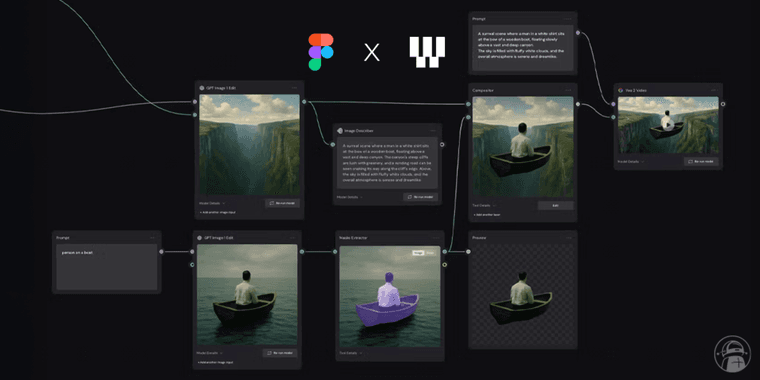
Weavy's node-based workflow connects AI models on a canvas, eliminating app switching. It enables branching prompts, comparing outputs, and real-time editing with controls for layers, lighting, color, and camera settings across image and video generation.
AI Model Integration
The platform integrates AI models including Seedance, Sora, Google Veo for video, and FLUX.1, Ideogram for images. This multi-model approach combines capabilities for creative outcomes, aligning with node-based tool trends. For designers exploring AI image generators and video editing software, it advances creative automation.
Pros and Cons
Advantages
- Unified workflow eliminates app switching
- Real-time comparison of multiple AI models
- Seamless transition between image and video
- Interactive editing with comprehensive controls
- Supports complex creative pipelines
- Integration with leading AI technologies
- Node-based visual programming interface
Disadvantages
- Learning curve for node-based systems
- Dependent on multiple AI model availability
- Potential performance demands
- Transition period before full integration
Conclusion
Figma's acquisition offers a unified platform for media generation and editing. The node-based approach provides flexibility in AI model selection and workflow construction, positioning Figma Weave in the landscape of design tools and AI automation platforms.
Frequently Asked Questions
What is Figma Weave and how does it work?
Figma Weave is the rebranded AI platform acquired from Weavy, featuring node-based workflows that connect multiple AI models for image and video generation through visual programming interfaces.
Which AI models does Figma Weave support?
The platform supports leading AI models including Seedance, Sora, Google Veo for video, and FLUX.1, Ideogram, Nano Banana, Seedream for images, allowing creators to compare outputs and combine capabilities.
What are the key benefits of node-based editing?
Node-based editing offers visual programming, enabling complex workflows, real-time model comparisons, and seamless transitions between media types, enhancing creativity and efficiency.
Is Figma Weave free to use?
Pricing details are not fully disclosed, but it may follow a freemium model similar to other Figma products, with potential paid tiers for advanced features.
How does Figma Weave compare to other AI editing tools?
Figma Weave focuses on node-based workflows and design ecosystem integration, while tools like Runway offer AI models but may lack the visual programming and seamless workflow features.
Relevant AI & Tech Trends articles
Stay up-to-date with the latest insights, tools, and innovations shaping the future of AI and technology.
Stoat Chat App: Complete Guide to Revolt Rebranding and Features
Stoat chat app rebranded from Revolt due to legal pressures, maintaining all user data, features, and privacy focus without any required actions from existing users for a seamless transition.
Zorin OS 18: Modern Linux OS with Windows App Support & New Features
Zorin OS 18 is a Linux distribution with a redesigned desktop, enhanced Windows app support, and web apps tool, ideal as a Windows 10 alternative with long-term support until 2029.
AV Linux 25 & MX Moksha 25 Released with Enhanced File Manager & VM Features
AV Linux 25 and MX Moksha 25 are new Linux releases based on Debian Trixie, featuring enhanced file management with Quickemu and YT-DLP integration, tailored for multimedia production and lightweight computing.