Annotation
- Introduction
- Performance and Modernization
- Advanced Testing Capabilities
- Enhanced Component Authoring
- Pros and Cons
- Conclusion
- Frequently Asked Questions
Storybook 10: ESM-Only Support, 29% Lighter with Module Automocking
Storybook 10 launches with ESM-only support, 29% size reduction, automated module mocking, and enhanced CSF Factories for modern frontend development workflows.
Introduction
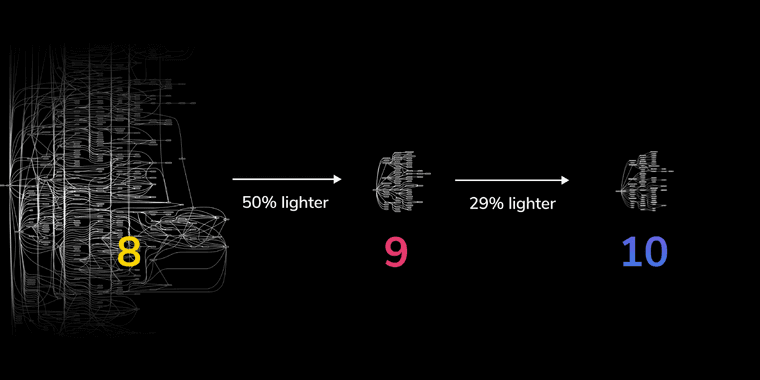
Storybook 10 introduces ESM-only support and a 29% size reduction, enhancing performance for frontend developers with modern workflows.
Performance and Modernization
Storybook 10's ESM-only architecture enables better tree-shaking and faster installations. It improves compatibility with popular IDE environments and streamlines integration with CI/CD pipelines.
Advanced Testing Capabilities
Collaboration with Vitest brings automocking for easier testing across Vite and Webpack, reducing setup time. Developers appreciate simplified testing with debugging tools.
Enhanced Component Authoring
CSF Factories now in Preview offer better type safety and autocompletion, streamlining story creation. This complements code linting workflows and integrates with version control systems.
Pros and Cons
Advantages
- 29% smaller package size for faster installations
- ESM-only support aligns with modern JavaScript standards
- Automated module mocking simplifies testing setup
- Enhanced type safety with CSF Factories
- Improved framework support for Svelte and Next.js
- Better development workflow with tag-based story exclusion
- Compatibility with latest tooling versions
Disadvantages
- ESM-only approach breaks CommonJS configurations
- Migration required for existing Storybook projects
- Learning curve for new automocking system
- Potential compatibility issues with older tooling
Conclusion
Storybook 10 advances modern JavaScript development with ESM support, performance gains, and improved testing, making migration worthwhile for teams committed to frontend workflows.
Frequently Asked Questions
What is the main breaking change in Storybook 10?
Storybook 10 transitions to ESM-only support, requiring projects to use ECMAScript Modules instead of CommonJS, which may require migration for existing configurations.
How much smaller is Storybook 10 compared to previous versions?
Storybook 10 reduces installation size by 29% compared to version 9, building on previous optimizations for faster setup and improved performance.
What are CSF Factories in Storybook 10?
CSF Factories provide enhanced type safety and autocompletion for component stories, moving from Experimental to Preview status with improved developer ergonomics.
How does module automocking work in Storybook 10?
Module automocking automatically mocks dependencies in tests without manual setup, working with Vite and Webpack for streamlined component testing.
What frameworks are better supported in Storybook 10?
Storybook 10 enhances support for Svelte and Next.js, improving integration and development experience for these frameworks.
Relevant AI & Tech Trends articles
Stay up-to-date with the latest insights, tools, and innovations shaping the future of AI and technology.
Stoat Chat App: Complete Guide to Revolt Rebranding and Features
Stoat chat app rebranded from Revolt due to legal pressures, maintaining all user data, features, and privacy focus without any required actions from existing users for a seamless transition.
Zorin OS 18: Modern Linux OS with Windows App Support & New Features
Zorin OS 18 is a Linux distribution with a redesigned desktop, enhanced Windows app support, and web apps tool, ideal as a Windows 10 alternative with long-term support until 2029.
AV Linux 25 & MX Moksha 25 Released with Enhanced File Manager & VM Features
AV Linux 25 and MX Moksha 25 are new Linux releases based on Debian Trixie, featuring enhanced file management with Quickemu and YT-DLP integration, tailored for multimedia production and lightweight computing.