Annotation
- Introduction
- Enhanced Wikipedia Integration
- Improved Region Highlighting
- Additional Platform Improvements
- Pros and Cons
- Conclusion
- Frequently Asked Questions
Organic Maps Update: Wikipedia in 3 Languages & Region Highlights
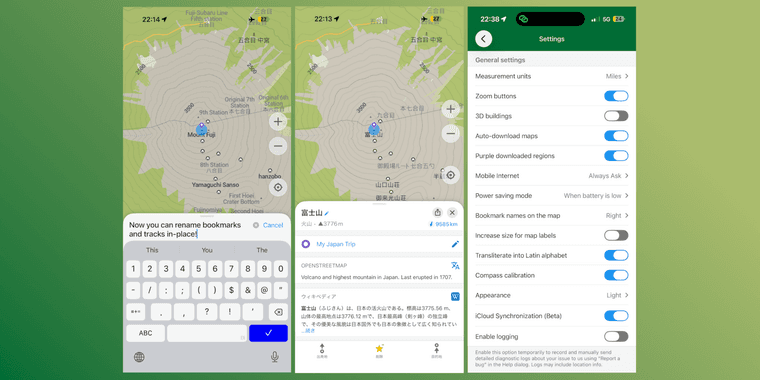
Organic Maps' latest update introduces Wikipedia integration in Turkish, Japanese, and Chinese, along with region highlighting for downloaded maps, enhancing offline navigation for privacy-focused travelers.
Introduction
The latest Organic Maps update brings significant enhancements for international travelers and privacy-conscious users. This free, open-source navigation app now integrates Wikipedia articles in Turkish, Japanese, and Chinese, while introducing a practical feature to highlight downloaded map regions – making offline navigation more intuitive than ever.
Enhanced Wikipedia Integration
Organic Maps has expanded its Wikipedia integration to include three major languages: Turkish, Japanese, and Chinese. This means users can now access detailed information about landmarks, historical sites, and points of interest directly within the app while traveling in regions where these languages are spoken. The integration works seamlessly with the app's offline capabilities, allowing travelers to read articles without an internet connection once maps are downloaded.
Improved Region Highlighting
A particularly useful addition is the new region highlighting feature. When users download maps for specific areas, those regions now appear highlighted within the app interface. This visual distinction helps users quickly identify which areas are available offline and which require additional downloads. For travelers planning complex itineraries or those using custom route planners, this feature provides immediate visual feedback about their prepared navigation resources.
Additional Platform Improvements
The update includes refreshed OpenStreetMap data, ensuring users have access to the most current road networks and points of interest. Both iOS and Android versions receive usability enhancements, including added scrollbars for better navigation and more stable download processes. Routing algorithms have been refined for more accurate directions, while import functionality sees improvements for users transitioning from other GPS navigation services. Translation updates across the app make it more accessible to global users.
Pros and Cons
Advantages
- Wikipedia integration in three major new languages
- Visual highlighting for downloaded map regions
- Updated OpenStreetMap data for accuracy
- Improved stability for map downloads
- Enhanced routing algorithms
- Better import functionality from other apps
- Completely free with no tracking
Disadvantages
- Limited to Wikipedia's available content
- Requires manual map region downloads
- Fewer features than commercial alternatives
Conclusion
This Organic Maps update significantly enhances the app's value for international travelers and those prioritizing privacy. The addition of Turkish, Japanese, and Chinese Wikipedia content, combined with the practical region highlighting feature, makes this one of the most capable offline maps solutions available. While it may lack some advanced features found in commercial navigation apps, its commitment to privacy, open-source development, and free access makes it an excellent choice for travelers seeking reliable trip planning tools without data collection concerns.
Frequently Asked Questions
What languages does Organic Maps now support for Wikipedia?
The latest update adds Wikipedia article support in Turkish, Japanese, and Chinese, expanding the app's multilingual capabilities for international travelers.
How does the region highlighting feature work?
When you download maps for specific areas, those regions now appear highlighted in the app interface, making it easy to identify which areas are available offline.
Is Organic Maps completely free to use?
Yes, Organic Maps is free and open-source, with no tracking or hidden fees, making it a cost-effective choice for privacy-conscious users.
Can Organic Maps work without an internet connection?
Yes, once maps are downloaded, Organic Maps can provide navigation and access Wikipedia articles offline, ideal for travel in areas with limited connectivity.
What platforms support Organic Maps?
Organic Maps is available for both iOS and Android devices, with updates including usability enhancements for both platforms.
Relevant AI & Tech Trends articles
Stay up-to-date with the latest insights, tools, and innovations shaping the future of AI and technology.
Stoat Chat App: Complete Guide to Revolt Rebranding and Features
Stoat chat app rebranded from Revolt due to legal pressures, maintaining all user data, features, and privacy focus without any required actions from existing users for a seamless transition.
Zorin OS 18: Modern Linux OS with Windows App Support & New Features
Zorin OS 18 is a Linux distribution with a redesigned desktop, enhanced Windows app support, and web apps tool, ideal as a Windows 10 alternative with long-term support until 2029.
Immich 2.1.0 Release: Enhanced Slideshow Shuffle and Stack Upload Features
Immich 2.1.0 enhances photo management with improved slideshow shuffle, direct stack uploads, better mobile browsing, and collaboration features for self-hosted solutions.