Annotation
- Introduction
- The Evolution of Quality Analysis with AI
- What's Changing in Modern QA Practices
- Where AI Provides Strategic Support in QA
- Core Components of AI-Driven Quality Analysis
- Real-World Implementation and Measurable Benefits
- Practical Applications of AI in Quality Assurance
- Tangible Benefits of AI Integration in QA
- Strategic Implementation Framework for AI in QA
- Steps for Successful AI Integration
- Pros and Cons
- Conclusion
- Frequently Asked Questions
AI in Quality Analysis: Revolutionizing Software Testing with Intelligent Automation
AI transforms software quality assurance through automated testing, predictive analytics, and intelligent defect detection, enhancing efficiency and
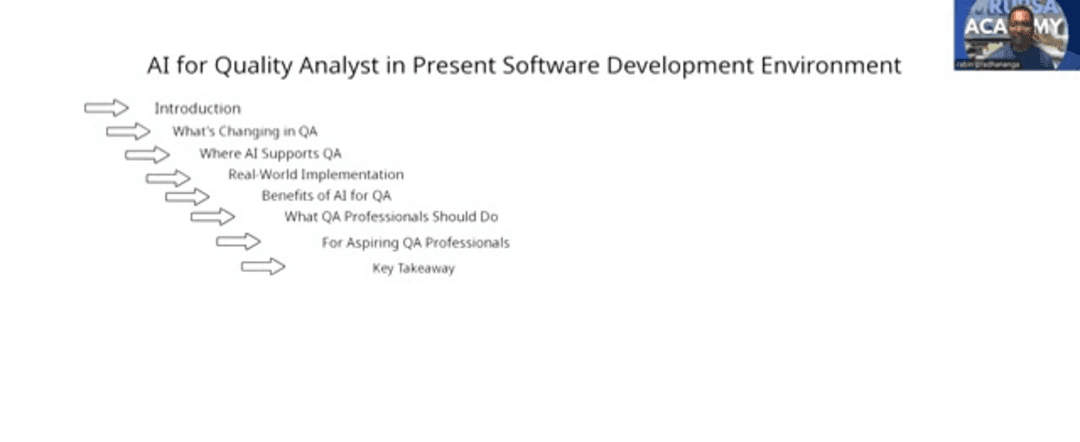
Introduction
Artificial intelligence is reshaping software quality assurance, moving from manual methods to data-driven approaches. This enables QA teams to detect issues earlier, predict problems, and optimize testing with precision. Adopting AI testing and QA solutions is key for competitive advantage in development.
The Evolution of Quality Analysis with AI
What's Changing in Modern QA Practices
Traditional QA, dominated by manual testing, is transforming. AI integration automates tasks and enhances analysis, allowing engineers to focus on strategy and creativity. This shift requires viewing AI as a partner, not a replacement.
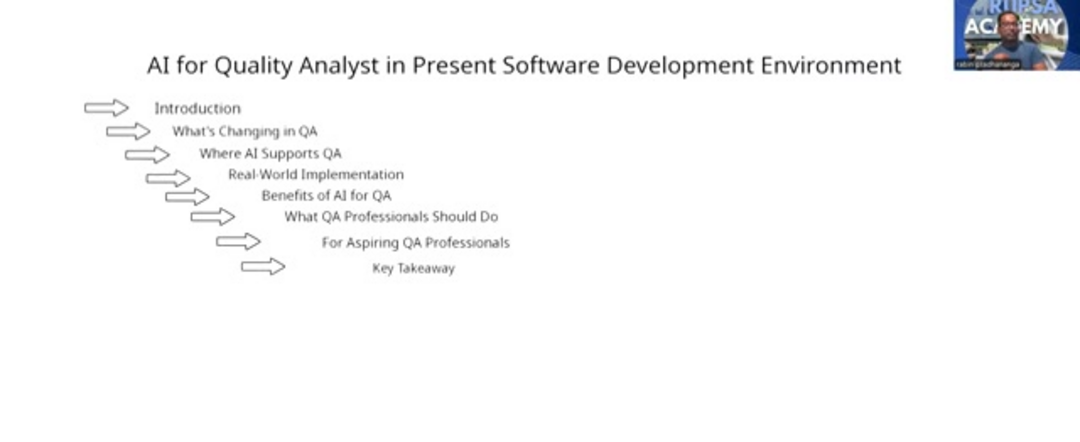
Key changes include intelligent test automation, predictive analytics, advanced data analysis, accelerated cycles, and proactive monitoring.
Where AI Provides Strategic Support in QA
AI adds value across QA, from test planning to validation. AI automation platforms analyze requirements and data for comprehensive strategies. Critical areas: automated test generation, intelligent prioritization, predictive defect analysis, visual validation, and quality intelligence.
Core Components of AI-Driven Quality Analysis
AI in QA relies on interconnected components: AI-powered test automation, intelligent test management, predictive analytics, and machine learning defect classification. Integrated with CI/CD tool pipelines, they support continuous validation.
Real-World Implementation and Measurable Benefits
Practical Applications of AI in Quality Assurance
Organizations implement AI-driven QA with measurable results. Using AI APIs and SDKs, they build custom solutions. Examples: automated test creation with tools like Testim, risk-based optimization, proactive defect prevention, and cross-platform visual consistency.
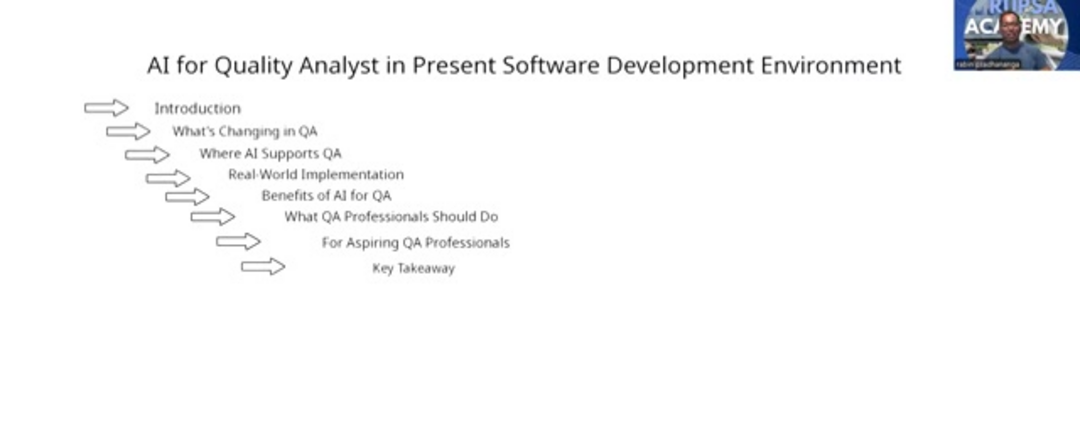
Tangible Benefits of AI Integration in QA
AI adoption brings efficiency, accuracy, cost savings, coverage, and faster delivery. Combined with performance profiler tools, it offers insights into application behavior.
Strategic Implementation Framework for AI in QA
Steps for Successful AI Integration
Implementing AI in QA needs a structured approach. Start with AI agents and assistants for manageable entry. Steps: identify opportunities, select solutions, develop team skills, execute pilots, expand scope, and establish continuous improvement.
Pros and Cons
Advantages
- Reduces manual testing effort through automation
- Improves defect detection accuracy
- Lowers testing costs while increasing coverage
- Enables comprehensive scenario testing
- Accelerates release cycles
- Provides predictive insights
- Enhances test maintenance
Disadvantages
- Requires initial investment in tools and training
- May create skill gaps
- Potential algorithmic bias
- Needs continuous monitoring
- Challenges in testing non-deterministic behaviors
Conclusion
AI integration in quality analysis shifts how software quality is maintained, augmenting human expertise by handling repetitive tasks and providing insights. Organizations embracing AI gain efficiency, quality, and faster time-to-market. QA professionals with skills in data analysis and AI tools will lead innovation in competitive digital landscapes.
Frequently Asked Questions
Will AI completely replace human QA professionals?
No, AI augments rather than replaces QA professionals. It handles repetitive tasks and provides data insights, allowing humans to focus on complex analysis, strategy, and creative problem-solving.
What skills do QA professionals need for AI integration?
QA professionals need technical skills in AI tools, data analysis, and machine learning, plus soft skills like critical thinking and adaptability to work effectively with AI systems.
What are the main advantages of using AI in quality assurance?
AI in QA reduces manual effort, improves accuracy, saves costs, ensures comprehensive coverage, speeds releases, provides predictive insights, and enhances test maintenance.
How does AI help in defect prediction?
AI uses machine learning to analyze historical data and code patterns, identifying potential defect hotspots early for proactive quality management and prevention.
What are the common challenges in adopting AI for QA?
Challenges include initial costs, skill gaps, potential bias, need for monitoring, and difficulties in testing non-deterministic system behaviors.
Relevant AI & Tech Trends articles
Stay up-to-date with the latest insights, tools, and innovations shaping the future of AI and technology.
Grok AI: Free Unlimited Video Generation from Text & Images | 2024 Guide
Grok AI offers free unlimited video generation from text and images, making professional video creation accessible to everyone without editing skills.
Top 3 Free AI Coding Extensions for VS Code 2025 - Boost Productivity
Discover the best free AI coding agent extensions for Visual Studio Code in 2025, including Gemini Code Assist, Tabnine, and Cline, to enhance your
Grok 4 Fast Janitor AI Setup: Complete Unfiltered Roleplay Guide
Step-by-step guide to configuring Grok 4 Fast on Janitor AI for unrestricted roleplay, including API setup, privacy settings, and optimization tips