Annotation
- Introduction
- Color Management Revolution
- Enhanced Rendering Performance
- Advanced Simulation and Geometry
- Pipeline and Workflow Improvements
- Pros and Cons
- Conclusion
- Frequently Asked Questions
Blender 5.0 Released: ACES Color Pipeline and Enhanced VFX Tools
Blender 5.0 introduces the ACES color pipeline, enhanced Cycles rendering, NanoVDB simulations, and workflow tools for professional 3D creation and visual effects.
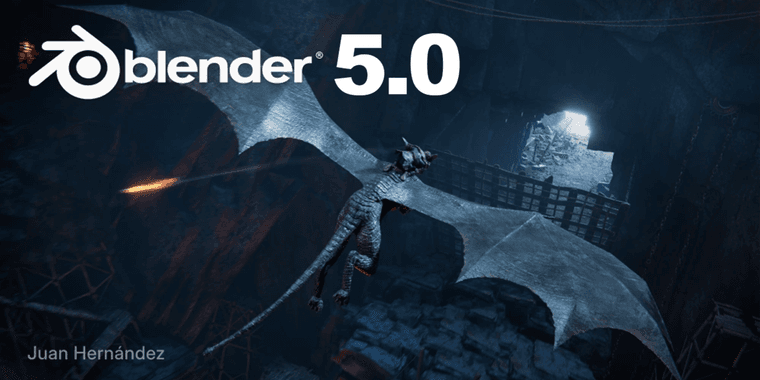
Introduction
Blender 5.0 launches with major upgrades in color management, rendering, and VFX tools, enhancing workflows for 3D artists in film, gaming, and architecture.
Color Management Revolution
The new ACES-based pipeline supports wide gamut and HDR color spaces like ACEScg and Rec.2020, ensuring accurate color for film and VFX.
Enhanced Rendering Performance
Cycles gets Render Time pass, Portal Depth light pass, and OptiX denoising, boosting performance and quality for 3D modeling.
Advanced Simulation and Geometry
NanoVDB improves smoke and fire simulations, while Geometry Nodes add OpenVDB workflows for complex scenes and animation software.
Pipeline and Workflow Improvements
Reusable compositor nodes in Sequencer and a new asset shelf with presets speed up post-production for video editing.
Pros and Cons
Advantages
- Professional ACES color pipeline for accurate HDR workflows
- Enhanced Cycles rendering with new passes and denoising
- NanoVDB simulations for better volumetric performance
- Expanded Geometry Nodes with OpenVDB support
- Reusable compositor nodes in Sequencer strips
- New asset shelf with creative effect presets
- Massive buffer support for complex scene handling
Disadvantages
- Drops support for Intel Macs and older GPUs
- Python API changes require addon updates
- Files saved in 5.x may not open in older versions
- Higher hardware requirements exclude older systems
Conclusion
Blender 5.0 offers professional color management and rendering advances, though higher specs may challenge some users. Essential for serious 3D artists and game engine developers.
Frequently Asked Questions
What are the main new features in Blender 5.0?
Blender 5.0 introduces ACES color pipeline, enhanced Cycles rendering with new passes, NanoVDB simulations, expanded Geometry Nodes with OpenVDB support, reusable compositor nodes, and a new asset shelf with creative presets.
Does Blender 5.0 have higher system requirements?
Yes, Blender 5.0 drops support for Intel Macs and older GPUs from around 2014, requiring more modern hardware for optimal performance and compatibility with new features.
How does the ACES color pipeline improve VFX work?
The ACES pipeline ensures consistent color accuracy across displays and formats, crucial for visual effects integration in film and animation.
What are the key rendering enhancements in Cycles?
Cycles adds Render Time pass for analysis, Portal Depth for interior lighting, and better OptiX denoising, improving speed and quality.
Is Blender 5.0 good for beginners in 3D modeling?
While powerful, Blender 5.0 has a learning curve, but its free nature and community support make it accessible for beginners willing to learn.
Relevant AI & Tech Trends articles
Stay up-to-date with the latest insights, tools, and innovations shaping the future of AI and technology.
Stoat Chat App: Complete Guide to Revolt Rebranding and Features
Stoat chat app rebranded from Revolt due to legal pressures, maintaining all user data, features, and privacy focus without any required actions from existing users for a seamless transition.
Zorin OS 18: Modern Linux OS with Windows App Support & New Features
Zorin OS 18 is a Linux distribution with a redesigned desktop, enhanced Windows app support, and web apps tool, ideal as a Windows 10 alternative with long-term support until 2029.
AV Linux 25 & MX Moksha 25 Released with Enhanced File Manager & VM Features
AV Linux 25 and MX Moksha 25 are new Linux releases based on Debian Trixie, featuring enhanced file management with Quickemu and YT-DLP integration, tailored for multimedia production and lightweight computing.