VirtualBox
Download VirtualBox free open-source virtualization software for running multiple operating systems. Complete installation guide, guest additions, network settings, and VM management for developers and IT professionals.
Overview of VirtualBox
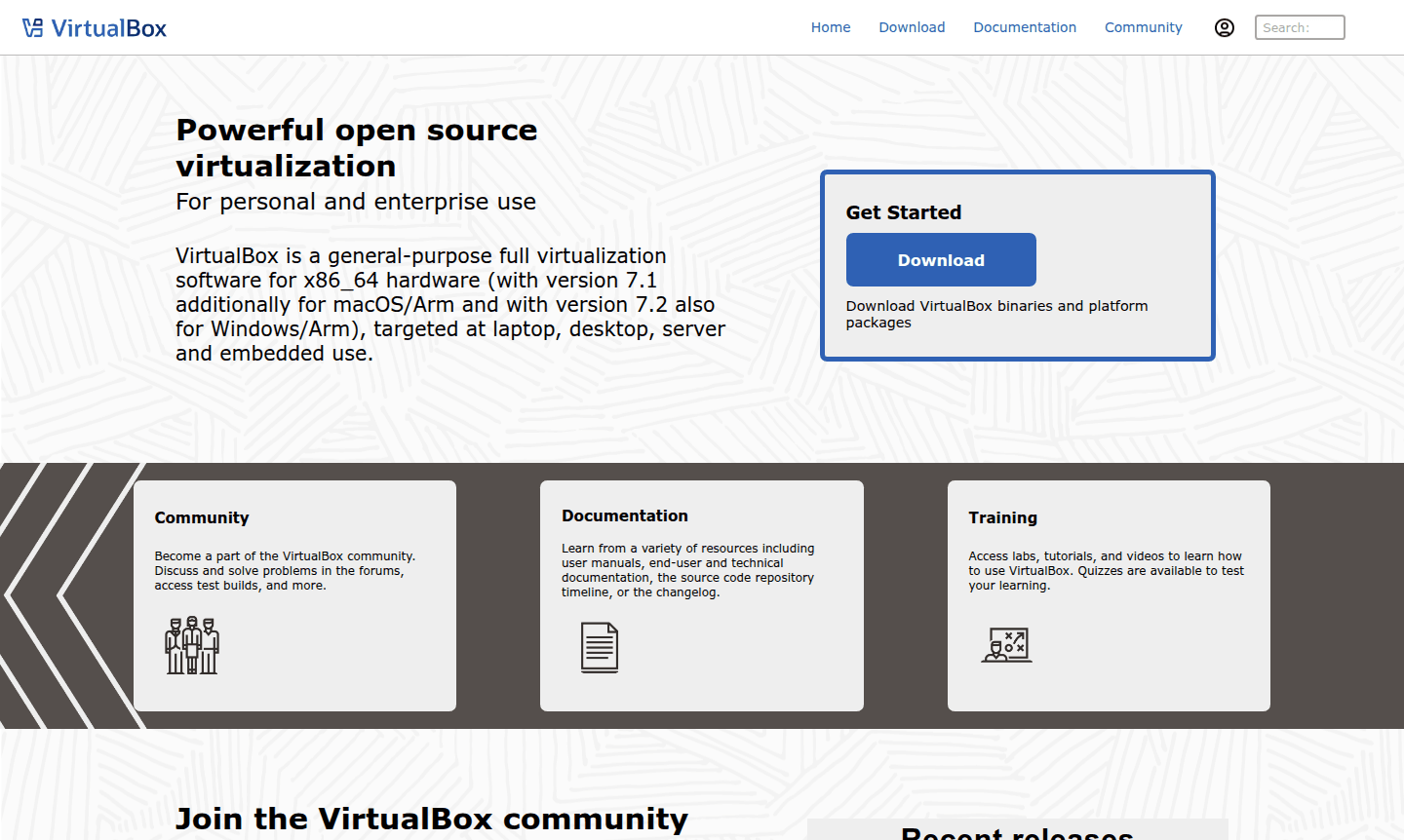
VirtualBox is a powerful open-source virtualization platform that enables users to run multiple operating systems simultaneously on a single machine. This versatile software supports x86_64 hardware and has expanded compatibility to include macOS/Arm with version 7.1 and Windows/Arm with version 7.2. Whether you're working on laptop, desktop, server, or embedded systems, VirtualBox provides comprehensive virtualization capabilities for both personal and enterprise use. The platform is backed by Oracle's professional quality standards while maintaining its community-driven development approach.
Millions of users worldwide rely on VirtualBox for various virtualization needs, from software testing and development to educational purposes and server management. The software's cross-platform nature makes it ideal for creating isolated environments, testing different operating systems, and running legacy applications. With regular maintenance releases like VirtualBox 7.2.2 and significant updates such as VirtualBox 7.2.0, the platform continues to evolve with improved stability and performance enhancements. Explore more about Virtual Desktop solutions and System Info Tools for comprehensive system management.
How to Use VirtualBox
Getting started with VirtualBox involves downloading the software from the official website, installing it on your host system, and then creating virtual machines for your desired guest operating systems. The process begins with the VirtualBox download and installation guide, followed by configuring virtual machine settings such as memory allocation, storage space, and network options. Users can then install guest operating systems, configure VirtualBox guest additions for enhanced performance, and set up shared folders between host and guest systems. The platform's intuitive interface makes virtual machine management straightforward, while advanced users can leverage command line usage for automation and scripting purposes.
Core Features of VirtualBox
- Cross-Platform Virtualization – Run multiple operating systems on Windows, macOS, Linux, and Arm architectures
- Snapshot Management – Create and restore system states for testing and development workflows
- Network Configuration – Flexible networking options including bridged, NAT, and host-only modes
- Guest Additions – Enhanced performance and integration features for guest operating systems
- Extension Pack – Additional functionality including USB 2.0/3.0 support and disk encryption
Use Cases for VirtualBox
- Software development and testing across multiple operating systems
- Educational environments for learning different platforms safely
- Legacy application support on modern hardware systems
- Server consolidation and testing in isolated environments
- Security research and malware analysis in contained systems
- Cross-platform application compatibility testing
- System administration training and certification preparation
Support and Contact
VirtualBox offers comprehensive support through multiple channels including community forums, detailed documentation, and professional resources. Users can access the official VirtualBox community forums for discussions, problem-solving, and accessing test builds. The platform maintains extensive documentation including user manuals, technical guides, and changelogs. For additional support resources, visit the official website or explore the community-driven knowledge base.
Company Info
VirtualBox is developed as a community effort with professional backing from Oracle Corporation. The project maintains its open-source nature while benefiting from Oracle's quality assurance and enterprise support resources. The development team ensures regular updates and maintenance releases, with recent versions including VirtualBox 7.2.2 and 7.2.0 featuring significant improvements and bug fixes.
Login and Signup
VirtualBox does not require user accounts for basic functionality. Users can directly download the software and begin using it immediately. Community participation through forums and contribution to the open-source project may require registration on the official VirtualBox website for enhanced engagement and support access.
VirtualBox FAQ
What is VirtualBox and what can I use it for?
VirtualBox is free virtualization software that lets you run multiple operating systems on one computer, ideal for testing, development, and running legacy applications.
Is VirtualBox completely free to use?
Yes, VirtualBox is open-source and free for personal, educational, and enterprise use without any licensing costs.
What operating systems does VirtualBox support?
VirtualBox runs on Windows, macOS, Linux, and supports guest operating systems including Windows 11, Ubuntu, and many others.
How to set up shared folders in VirtualBox?
Enable shared folders in VM settings and install Guest Additions for seamless file sharing between host and guest systems.
VirtualBox Pricing
Current prices may vary due to updates
Free
VirtualBox is completely free and open-source with no limitations on usage. Includes all core virtualization features, regular updates, and community
VirtualBox Reviews0 review
Would you recommend VirtualBox? Leave a comment
VirtualBox Alternatives
The best modern alternatives to the tool
New Tools Releases
Recently added tools